Cabinetry Articles & Guides

Understand cost breakdowns, how to choose the perfect bathroom vanity, perfect hardware pairings, the latest kitchen trends and more.

— Don't Miss Any New Articles —

Common Cabinet Materials That Don’t Hold Up Over Time

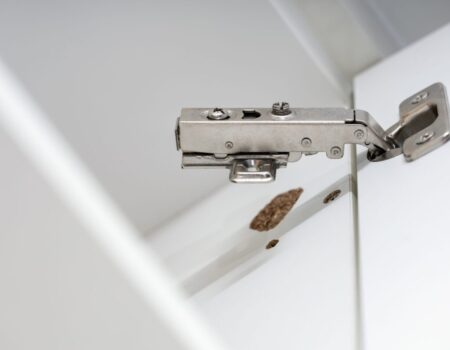
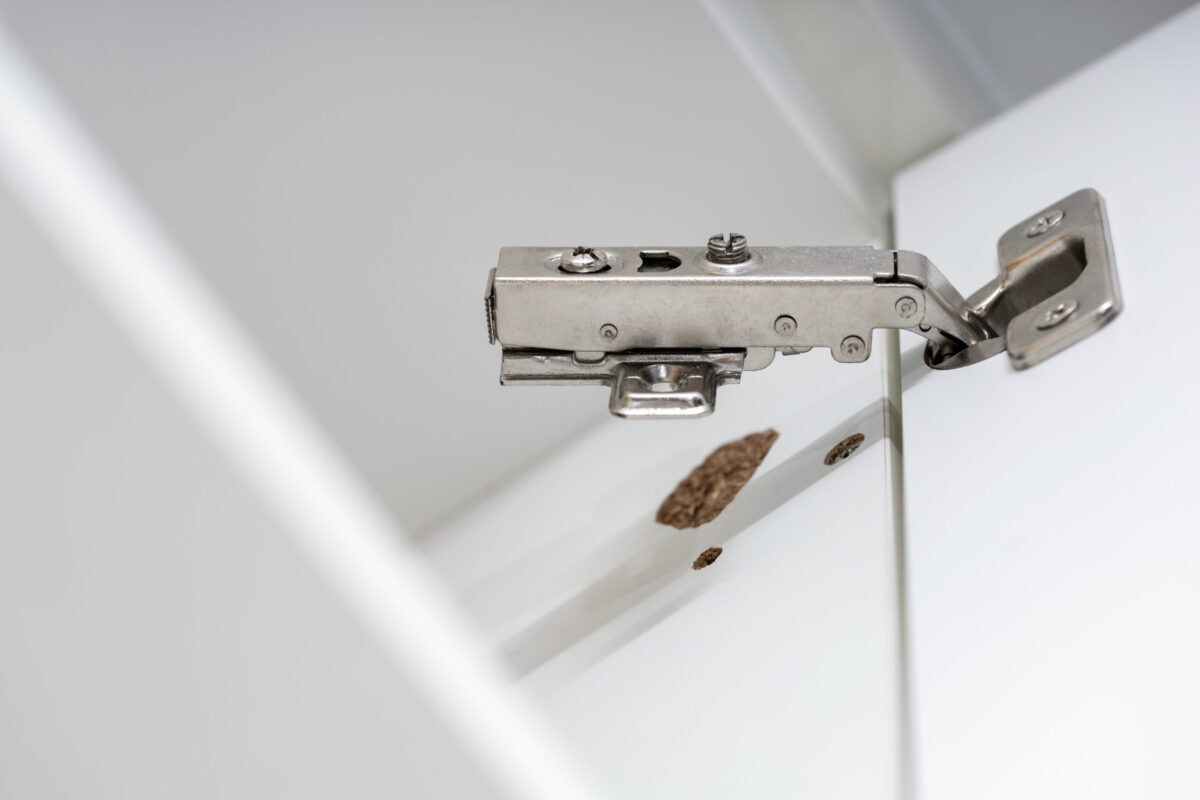
hinge broken from particleboard cabinet - how to avoid it

Table of Contents

Particleboard Cabinets

Why They Don’t Hold Up:

  • Made from wood chips, glue, and resin, particleboard is weak and prone to sagging under weight.
  • Sensitive to moisture—edges can swell and wood veneers can peel when applied to particleboard.
  • Screws and hinges often loosen over time, causing cabinet doors to wobble.

Better Alternative:

  • Plywood cabinet boxes are more durable and resist warping.

MDF (Medium-Density Fiberboard) Cabinet Boxes and End Panels

Why They Don’t Hold Up:

  • MDF is denser than particleboard but absorbs water easily, which can lead to swelling.
  • MDF can chip or crack if kicked.

Better Alternative:

  • Plywood cabinet boxes and end panels are more impact resistant.

Laminate Cabinets on Low Quality Base Materials

Why They Don’t Hold Up:

  • Low-cost laminates glued to particleboard often delaminate at edges over time, often in a very short period of time.
  • Heat and moisture from kitchens can cause bubbling and peeling.

Better Alternative:

  • High-pressure laminate (HPL) on plywood or solid wood doors with veneer.

Cabinets Finished on Site (With Non-Specialized Products)

Even the highest-quality cabinet materials can fail prematurely if finished poorly. Many homeowners try to save money by using paints or finishes from big-box stores on custom cabinetry. While these products may look fine initially, they are often less durable, prone to chipping, fading, or yellowing over time, and require frequent touch-ups. The better alternative is factory-applied, industrial-grade finishes, baked onto the cabinets at the manufacturing facility using specialty coatings only available from professional suppliers. These finishes create a hard, long-lasting surface that resists scratches, heat, and moisture, ensuring that your custom cabinets retain their beauty and functionality for decades.

Cheap or Off-Brand Drawer Slides

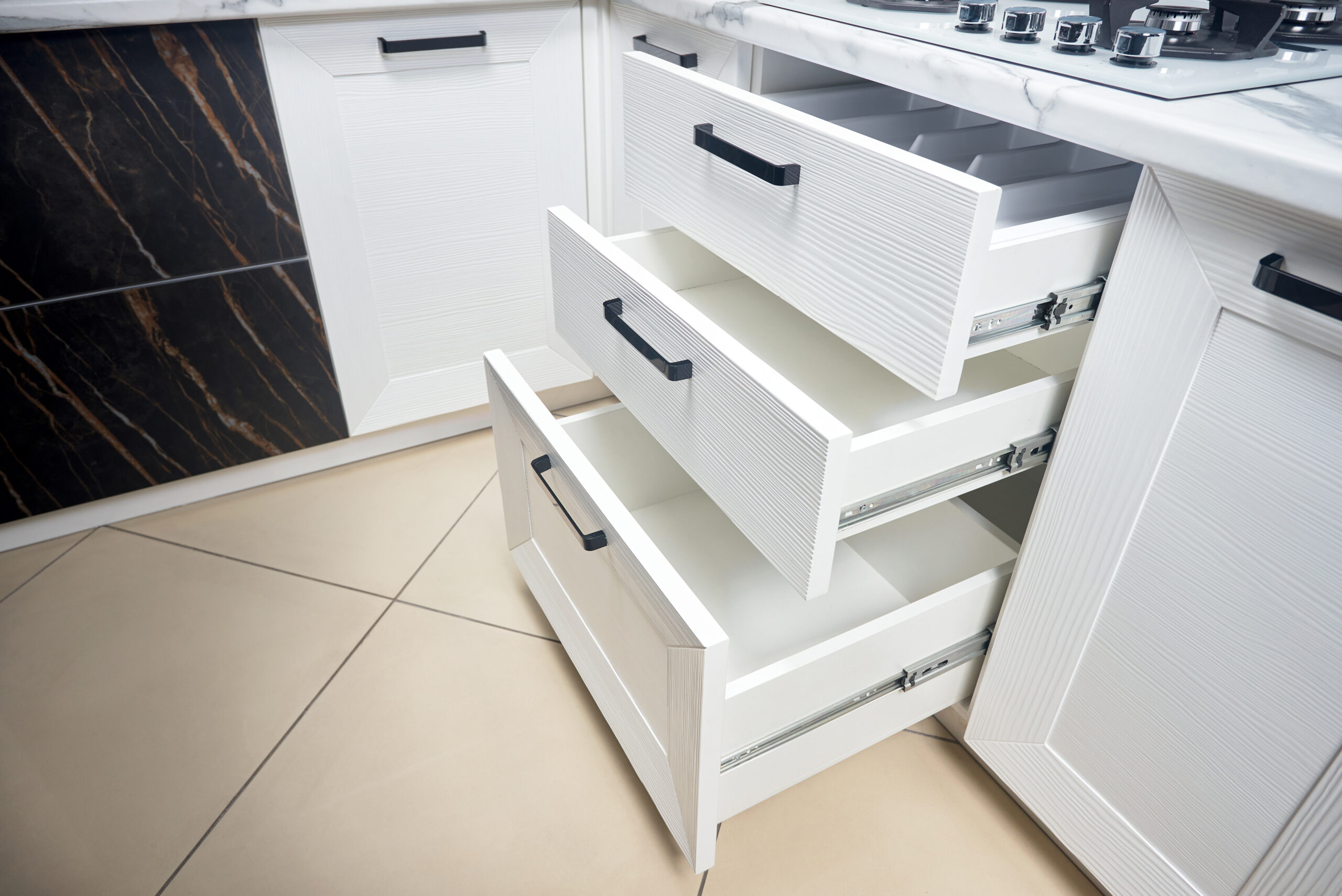
Another factor that affects cabinet longevity is the quality and type of drawer slides. Many low-cost or off-brand cabinets use side-mounted slides instead of full-extension undermount slides. While side-mounted slides may seem functional at first, they often wear out faster, cause drawers to sag, and limit smooth operation, especially under heavy use. In contrast, high-quality undermount or soft-close slides distribute weight more evenly, last longer, and provide a smoother, quieter drawer experience—making them a worthwhile investment for any custom or semi-custom cabinet project.

Signs You're Using Cabinets That Won't Last

Watch out for these early warning signs:

  • Sagging shelves or drawers
  • Delamination of edges or surfaces
  • Cracks in paint or veneer
  • Warping near sinks or stoves
  • Loose hinges or hardware

If you notice any of these, it may be time to consider a cabinet material upgrade.

How to Choose Durable Cabinets

  1. Check the Core Material: Plywood is generally stronger than particleboard or MDF.
  2. Ask About Moisture Resistance: Especially important for kitchens and bathrooms.
  3. Inspect the Finish: Solid wood, high-quality veneers, or laminates last longer than thin veneers.
  4. Consider the Hardware: Good hinges and drawer slides improve longevity.
  5. Factor in Maintenance: Some materials like solid wood need occasional refinishing but last decades.

FAQ: Cabinet Materials That Don't Hold Up

Q1: Are particleboard cabinets bad for kitchens?
Yes, particleboard is weak and moisture-sensitive, making it unsuitable for high-use kitchens.

Q2: Is MDF durable for cabinet doors?
MDF is fine for dry areas, but standard MDF can swell in humid environments. Use moisture-resistant MDF or plywood for kitchens and bathrooms.

Q3: Why do veneers peel off cabinets?
Thin veneers over weak substrates like particleboard are prone to peeling from heat, humidity, or everyday wear.

Q4: What materials should I choose for long-lasting cabinets?
Plywood, solid wood, or high-quality MDF/veneers with proper finishes provide durability and longevity.

Expert Recommendations: Invest in Cabinets That Last

Investing in the right cabinet materials is one of the best ways to ensure your kitchen or bathroom lasts for decades. Avoid particleboard, low-quality MDF, cheap veneers, and pressed wood in high-use areas. Choosing plywood, solid wood, or high-quality finishes may cost more upfront, but it prevents costly repairs and replacements in the future.

Pro Tip: If your budget is tight, consider mixing materials—use durable materials where it counts (like cabinet boxes) and lower-cost options for decorative areas.

READY TO START?

EXPLORE CABINETRY OPTIONS

DESIGN READY CABINETRY

A curated collection of door styles and finishes — handpicked for quality, trend, and value. All plywood construction and soft-close doors and drawers.

CUSTOM CABINETRY

Thousands of door styles, painted finishes, stains, and custom color-matching and glazes. Every detail designed around your vision. Made in the USA.

STORAGE ACCESSORIES

Handcrafted in northeast Ohio, home to the world's largest Amish community, ensuring top-notch quality and craftsmanship.

READY TO GET STARTED?

Talk to a Designer

Schedule a free consultation call to speak with a designer. Share a few details about your project and we’ll guide you through design options, timeline, and a realistic investment range.


EVEN MORE TO EXPLORE

OTHER POPULAR ARTICLES