Cabinetry Articles & Guides

Understand cost breakdowns, how to choose the perfect bathroom vanity, the latest kitchen trends and more.

Should Your Kitchen Cabinets Go Up to the Ceiling?

Should Your Kitchen Cabinets Go Up to the Ceiling? Pros, Cons, and Design Tips

When planning a new kitchen or remodeling an existing one, one of the most common design questions homeowners ask is: Should kitchen cabinets go all the way to the ceiling?

In recent years, ceiling-height cabinetry has become a popular choice in modern and luxury kitchen designs. But while the look is undeniably elegant, it isn’t always the right solution for every home or budget.
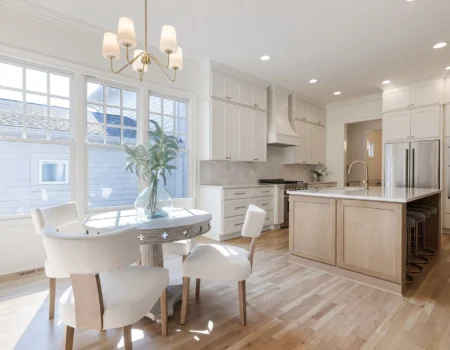
If you’re considering this design choice, here’s what to know about the benefits, drawbacks, and design considerations of ceiling-height kitchen cabinets.

What Are Ceiling-Height Cabinets?

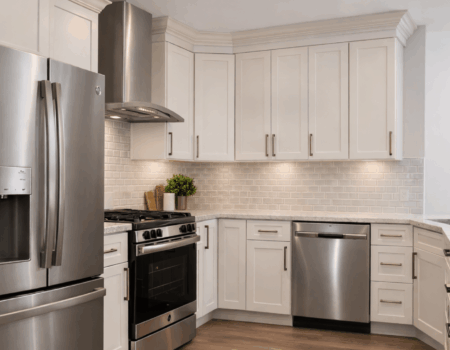
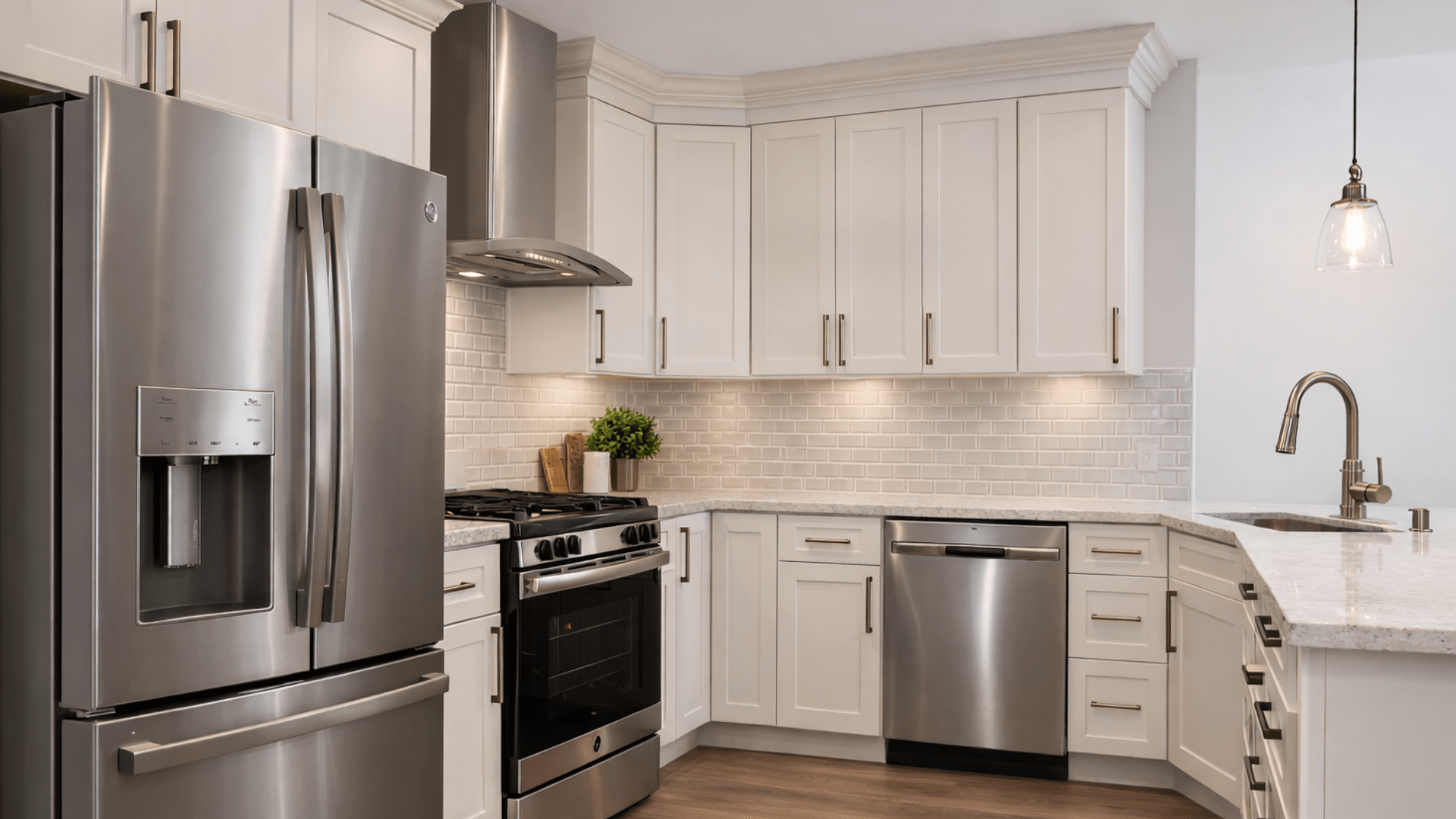
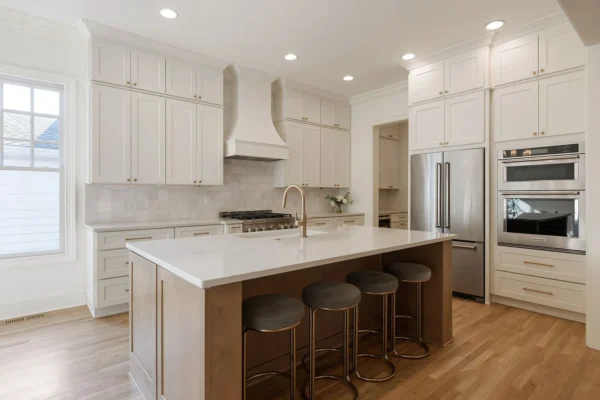
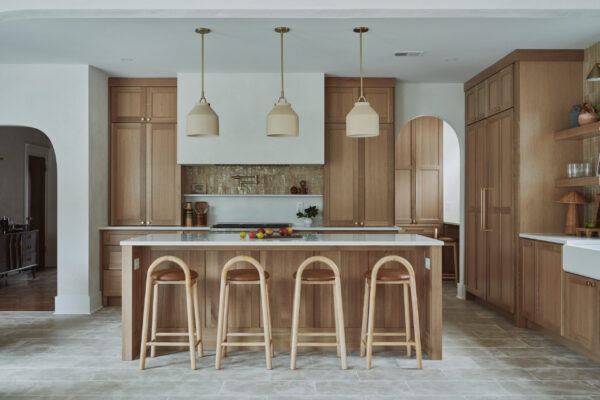
Ceiling-height cabinets extend from the countertop (or floor for pantry cabinets) all the way to the ceiling, eliminating the open space traditionally left above upper cabinets.

In many homes built over the past few decades, kitchen cabinets stop 12–24 inches below the ceiling, leaving room for decorative molding or unused space that often collects dust.

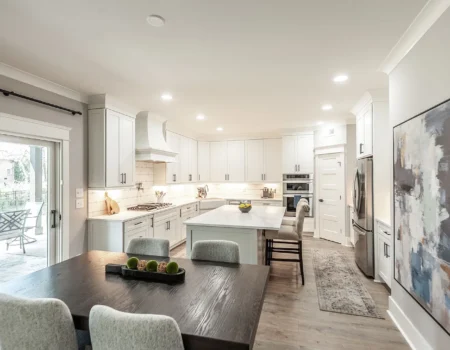
Bringing cabinetry to the ceiling creates a more built-in, custom look and maximizes vertical storage.

Benefits of Cabinets That Go to the Ceiling

1. A More Custom, High-End Look

One of the biggest reasons homeowners choose ceiling-height cabinets is aesthetics.

Cabinetry that reaches the ceiling makes the kitchen feel intentional, tailored, and architecturally integrated, rather than looking like prefabricated boxes mounted on a wall.

Designers often consider this a hallmark of high-end kitchen design, even when using stock or semi-custom cabinetry.

2. More Storage Space

Kitchen storage is always valuable. Extending cabinets upward creates additional space for:

  • Holiday dishes
  • Small appliances used occasionally
  • Large serving platters
  • Specialty cookware

Even if the highest shelves aren’t accessed daily, they provide excellent storage for items you don’t need all the time.

3. No Dust-Catching Gap

If your cabinets stop short of the ceiling, the empty space above them becomes a magnet for:

  • Dust
  • Grease
  • Pet hair
  • Hard-to-clean buildup

Ceiling-height cabinets eliminate this maintenance issue entirely.

4. Makes the Kitchen Feel Taller

When cabinetry runs vertically from floor to ceiling, it draws the eye upward, creating the illusion of higher ceilings and a more spacious kitchen.

This effect works especially well in:

  • Smaller kitchens
  • Open-concept layouts
  • Homes with 8–9 foot ceilings

Potential Downsides to Consider

While ceiling-height cabinets have many advantages, there are a few factors to weigh before committing.

1. Higher Cost

More cabinetry means more materials, more labor, and often more trim work. Depending on the design, extending cabinets to the ceiling can increase the project cost through:

  • Additional cabinet boxes
  • Taller doors
  • Crown molding or stacked cabinetry

However, many homeowners find the visual impact and storage gain worth the investment.

2. Harder-to-Reach Storage

The highest shelves typically require:

  • A step stool
  • A ladder
  • Careful planning of what gets stored there

For that reason, designers recommend using the uppermost cabinets for infrequently used items rather than daily kitchen essentials.

3. Ceiling Height and Architecture Matter

Ceiling-height cabinets work best when the ceiling height and room proportions support them.

For example:

  • 8-foot ceilings: Often use 42" upper cabinets or stacked cabinetry with crown molding
  • 9-foot ceilings: May include stacked cabinets or decorative glass uppers
  • 10-foot ceilings or higher: Sometimes leave intentional design space or use architectural details to break up height

A thoughtful design ensures the cabinets don’t feel overly tall or visually overwhelming.

Design Options for Ceiling-Height Cabinets

There are several ways designers achieve the ceiling-height look depending on cabinet lines and budget.

Tall Single Cabinets

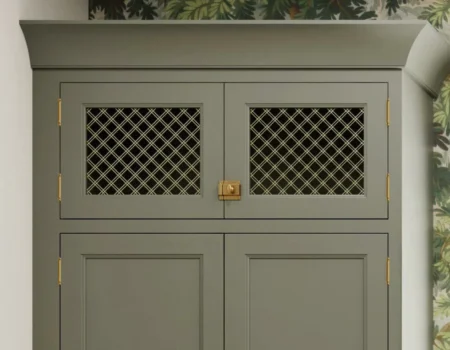
Some cabinetry lines offer extra-tall upper cabinets, which run nearly to the ceiling with crown molding finishing the top.

Stacked Cabinets

Stacked cabinetry uses two cabinets vertically:

  • A standard upper cabinet
  • A smaller cabinet above it

This approach adds dimension and is often used with glass doors or decorative storage.

Cabinet with Crown Molding

In many kitchens, cabinets stop just short of the ceiling and are finished with large crown molding, creating the illusion that the cabinetry reaches the ceiling.

When Cabinets Should Not Go to the Ceiling

There are situations where leaving space above cabinets may be the better choice.

Extremely High Ceilings

With 10–12 foot ceilings, running cabinets all the way up can feel excessive. Designers may instead incorporate:

  • Decorative soffits
  • Open shelving
  • Statement lighting
  • Artwork or architectural molding

Rustic or Farmhouse Styles

Certain styles intentionally include space above cabinets for displaying:

  • Pottery
  • Baskets
  • Vintage décor

In these cases, the gap becomes part of the design.

The Best Approach: A Balanced Kitchen Design

Ultimately, the decision depends on:

  • Ceiling height
  • Cabinet style
  • Budget
  • Storage needs
  • Overall kitchen layout

In many modern kitchen renovations, ceiling-height cabinetry strikes the perfect balance between beauty and function, giving homeowners a clean, polished look while maximizing storage.

Working with a professional kitchen designer ensures the proportions feel right and the cabinetry integrates seamlessly with the architecture of the home.

Final Thoughts to Consider

So, should your kitchen cabinets go to the ceiling?

For many homeowners, the answer is yes. Ceiling-height cabinets create a more sophisticated kitchen, eliminate dust-catching gaps, and add valuable storage space.

But like every design decision, the right choice depends on the unique characteristics of your home and how you use your kitchen every day.

If you're planning a kitchen renovation or new build, a thoughtful cabinetry design can transform your space into something that is both timeless and highly functional.

Get Started with a Free Design Consultation

What will you dream up for your kitchen space?

Let's plan your visit
to the Design Studio

Schedule a discovery call with our design team and see if we’re the right fit to bring your cabinetry vision to life.

During your visit to our design offices, you’ll get hands-on with materials, explore styles, and talk through your ideas with our cabinetry experts. Located in Mt. Juliet, TN.